Introduction
Maintaining a driveway is more than just an aesthetic problem; it's about protecting the stability and functionality of your building. A well-maintained driveway can enhance curb appeal, prevent pricey repair services, and extend the life expectancy of asphalt surface areas. However one concern remains for homeowners: "Exactly how Regularly Should You Sealcoat Your Driveway?" This write-up dives deep into the scientific research and art of sealcoating, examining its relevance, regularity, and the different elements that influence this decision.
What is Sealcoating?

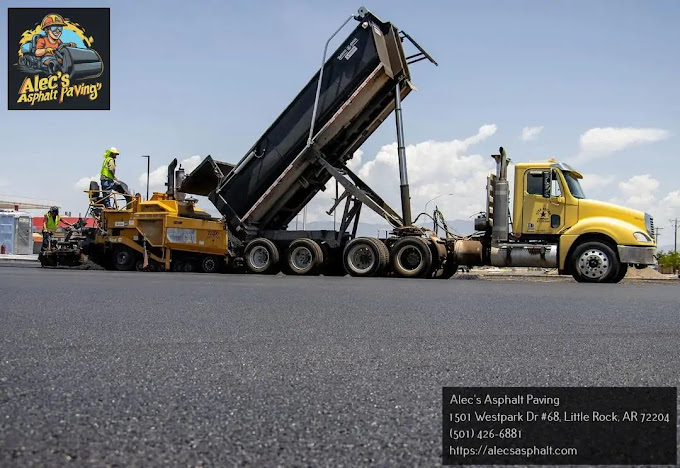
Sealcoating is a protective layer applied to asphalt driveways to shield them from severe aspects like UV rays, oil spills, water infiltration, and freeze-thaw cycles. This black fluid service acts as a barrier that assists keep the asphalt's flexibility and protects against cracking.
The Significance of Sealcoating
Protection Against Elements- UV Rays: Consistent exposure can create oxidation. Water Damage: Puddles can lead to deterioration. Oil Splashes: These can pass through and damage asphalt.
- A fresh sealcoat offers your driveway an abundant black coating that enhances overall residential or commercial property appearance.
- Regular upkeep through sealcoating can conserve you cash on extensive fixings or overall replacement in the long run.
How Regularly Should You Sealcoat Your Driveway?
The frequency of sealcoating largely relies on numerous aspects such as environment problems, web traffic levels, age of the asphalt, and previous upkeep methods. Typically:

- Every 1-3 Years: The majority of professionals advise sealing every two years for household driveways. High Web traffic Locations: If your driveway experiences heavy usage or is subjected to extreme weather, you might think about yearly sealcoating.
Factors Affecting Sealcoating Frequency
Climate Conditions- Hot climates may need more regular applications because of UV damage. Cold environments with freeze-thaw cycles can lead to cracks needing timely sealant application.
- High traffic areas put on down much faster; therefore they require even more attention contrasted to less-traveled driveways.
- Older driveways need more frequent maintenance as their material breaks down faster than more recent installations.
Understanding Asphalt Driveway Life Cycle
The Life Cycle Phases of Asphalt
Installation Phase- Proper grading and drainage are vital throughout setup to make certain longevity.
- Regular inspections for splits or surface area distress are crucial.
- This stage typically requires more frequent sealcoating as wear becomes apparent.
- At this stage, some homeowners might require an overlay or complete substitute based on condition.
Signs Your Driveway Needs Sealcoating
Recognizing when your driveway requires attention can assist extend its life considerably:
Fading Color- A visible change from rich black to grey suggests oxidation has actually set in.
- Small cracks can rise promptly if not dealt with; be proactive!
- These are serious indications that architectural concerns might arise if neglected.
Preparing for Sealcoating Your Driveway
Steps Before Application
Cleaning the Surface- Remove dirt, particles, and any kind of oil stains making use of a pressure washing machine or scrub brush.
- Fill any kind of visible cracks with crack filler before applying the sealant to guarantee a smooth finish.
- Ensure that your driveway is totally dry before starting the application process.
Choosing the Right Sealcoat Product
Different items offer different requirements:
Coal Tar Emulsion
- Offers superior defense against oil spills but has environmental concerns.
Acrylics & Latex-Based Options
- More eco-friendly alternatives offering appropriate protection.
Asphalt Emulsions
- Good balance between cost-effectiveness and convenience of use.
Sealcoating Refine Explained
Step-by-Step Guide
Ensure appropriate weather conditions-- ideally no rain for 24 hours. Apply with either a spray technique or squeegee for also distribution. Allow adequate drying out time-- typically 24-48 hours before permitting traffic back on it.Post-Sealcoat Care
After using sealcoat:
- Avoid parking on it for at least 24 hours. Keep it devoid of sharp items that could scrape the surface.
Professional vs do it yourself Sealcoating
Pros & & Disadvantages of Hiring Professionals
Pros
- Expertise in proper application methods making sure longevity Access to top quality materials Saves time and effort
Cons
- Higher upfront costs contrasted to DIY methods
Pros & & Cons of Do It Yourself Sealcoating
Pros
- Cost-effective if done correctly Flexibility in scheduling
Cons
- Requires physical labor Risk of improper application leading to short lifespan
FAQ Section
What is the very best period to use sealcoat?
The finest time is generally late springtime or early loss when temperatures are moderate.
Can I use sealcoat myself?
Yes! Nonetheless, it calls for prep work and understanding regarding products and strategies associated with securing effectively.
What happens if I do not sealcoat my driveway?
Without http://lukassjim296.tearosediner.net/what-every-home-owner-ought-to-learn-about-driveway-upkeep normal upkeep, your asphalt will degrade faster causing costly fixings or replacement earlier than expected.
How long does sealcoat last?
Depending on conditions, it normally lasts in between 2-4 years prior to requiring reapplication.
Is it necessary to wait after sealing before utilizing my driveway?
Yes! It's a good idea not to park on it for at the very least 24 hours post-sealant application for optimal healing time.
Can I drive over my newly secured driveway?
It's ideal technique to avoid any type of lorry web traffic until totally healed (usually 24 hours).
Conclusion
In verdict, comprehending exactly how frequently you must sealcoat your driveway entails taking into consideration numerous aspects consisting of environment conditions, website traffic levels, age of asphalt, and previous maintenance efforts. By adhering to a normal timetable-- frequently advised at every one-to-three years-- you can ensure that your financial investment remains protected versus wear-and-tear while preserving its aesthetic allure over time.
As with all things concerning home upkeep-- being positive as opposed to responsive pays off significantly in both cost savings and peace of mind!
By following these standards on "Just how Regularly Should You Sealcoat Your Driveway?", you'll not only improve your residential property's look yet additionally lengthen its life-span significantly!